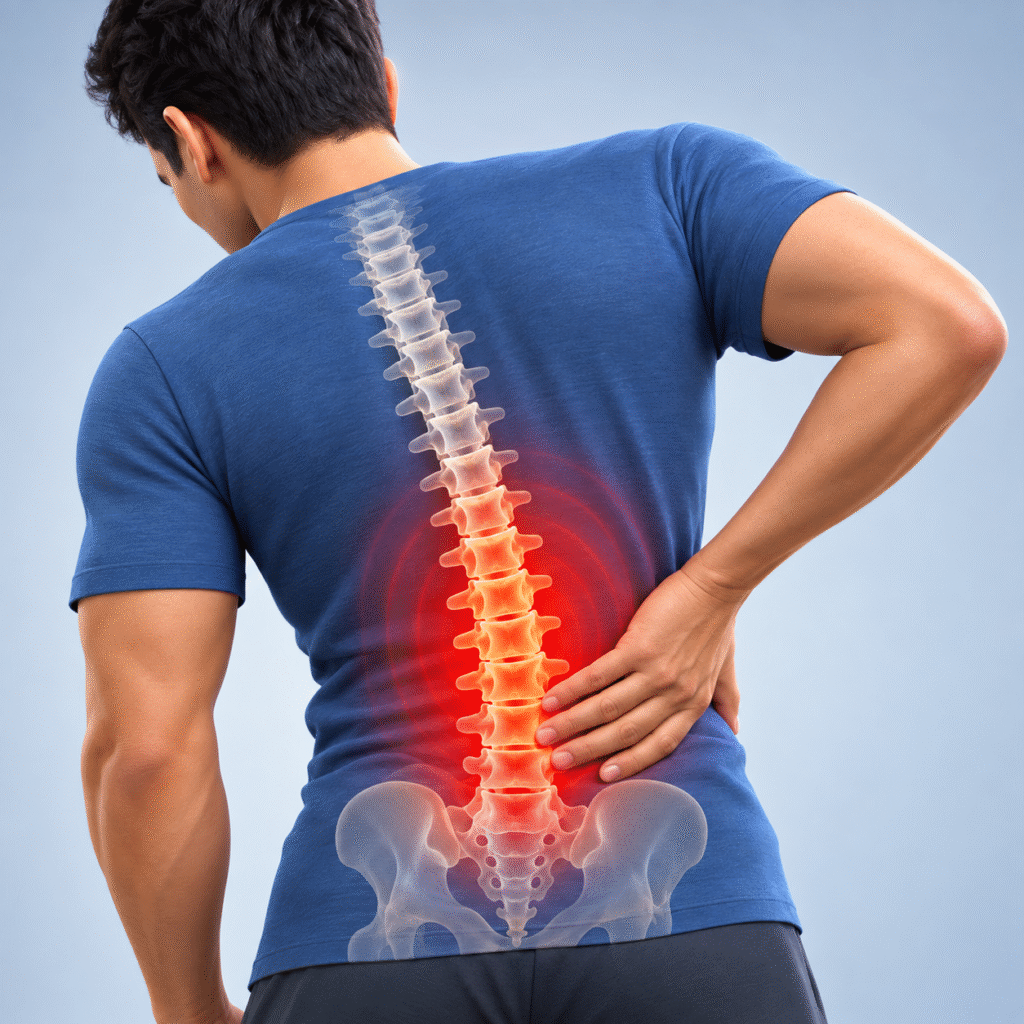
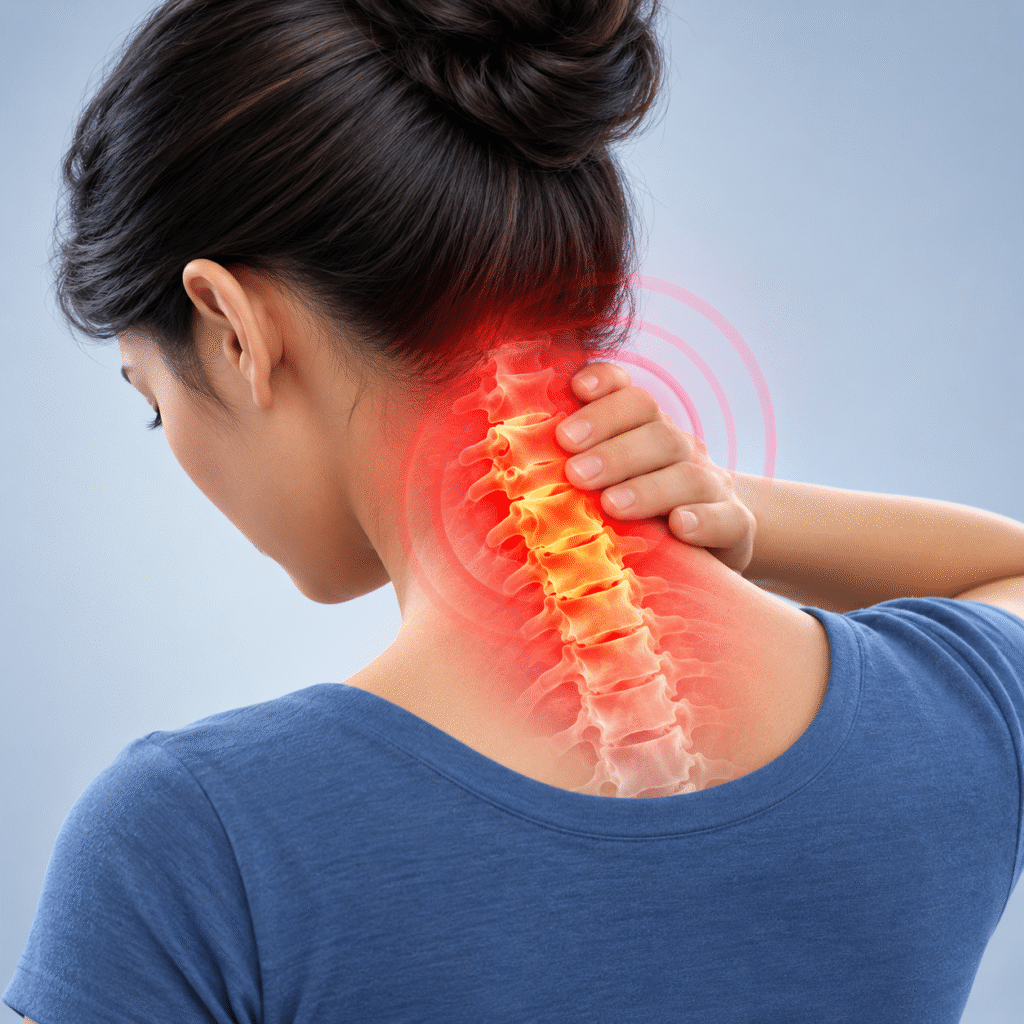
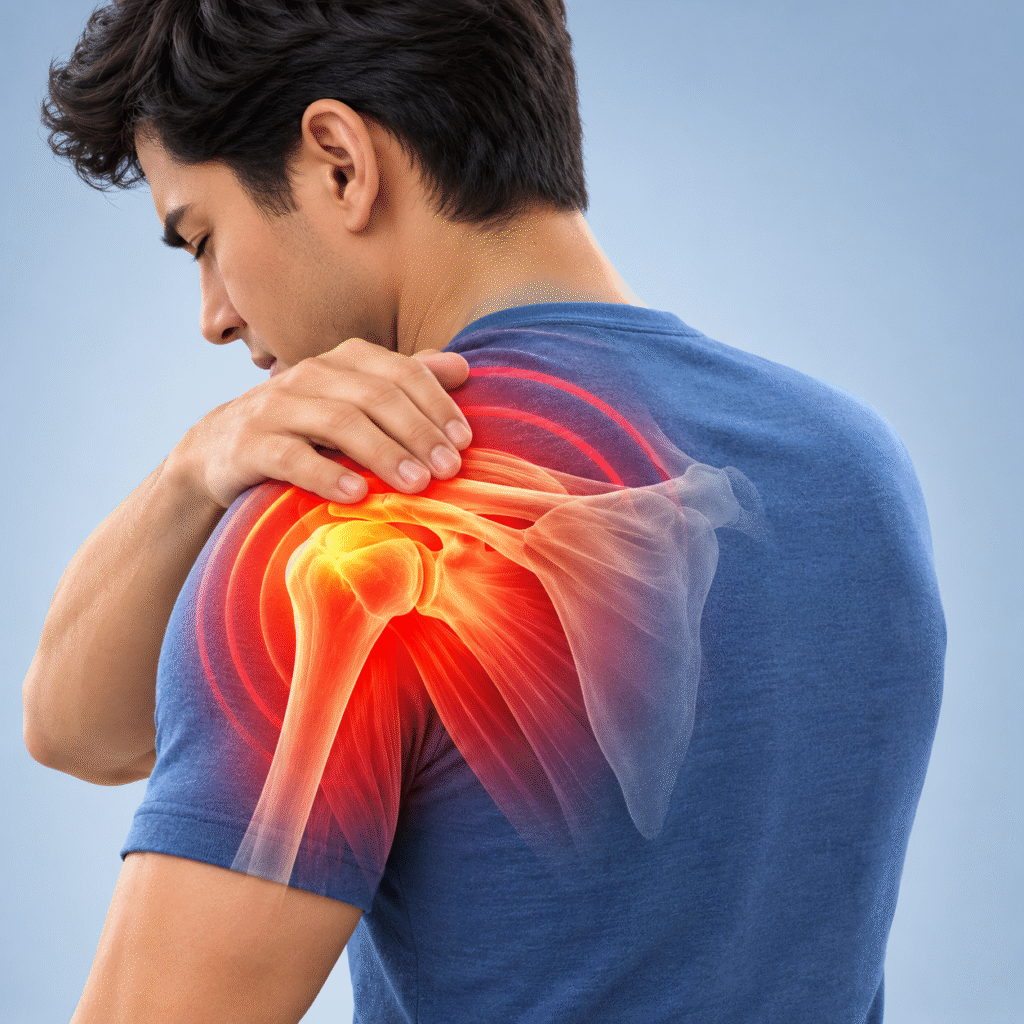
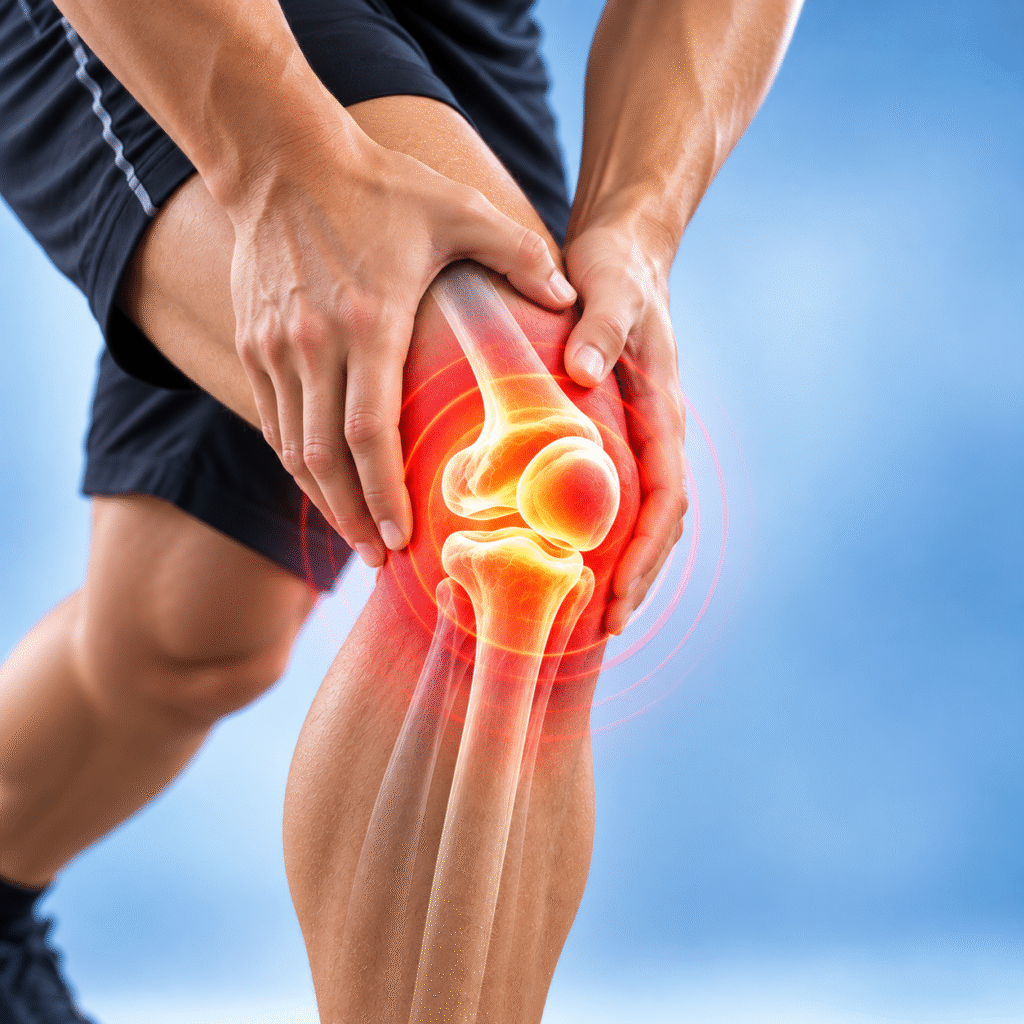
At Spine Cura, we specialize in providing advanced, non-surgical solutions for spine, neck, and back problems. Our mission is to help you restore mobility, reduce pain, and live a healthier, happier life.
Get advanced non-surgical spine and pain care focused on relieving pain, improving mobility, and restoring quality of life. Our personalized treatment approach uses modern pain-management techniques and minimally invasive procedures to manage back pain, neck pain, sciatica, joint pain, and other spine-related conditions—helping patients recover with minimal downtime and avoid surgery whenever possible.
At SpineCura, we believe effective pain management begins with understanding the person, not simply the symptom. our approach focuses on careful clinical assessment, identifying possible causes of pain and developing an individualized treatment plan based on the patient’s condition, symptoms and functional goals. with a focus on non-surgical and minimally invasive treatment options where clinically appropriate, our aim is to help patients manage pain, improve movement and return to the activities that matter to them.
Why Choose Spine Cura?
At SpineCura, we focus on personalized, non-surgical solutions for spine and pain conditions. Under the guidance of Dr. Shalley Singh, every treatment plan is designed after a detailed evaluation to address the underlying cause of pain and help patients return to an active lifestyle.
Common Questions About Spine & Pain Care
Can back pain be treated without surgery?
Many cases of back pain can initially be managed without surgery, depending on their cause and severity. Treatment may include activity modification, rehabilitation, medication or other appropriate non-surgical approaches. A clinical evaluation is important to determine the right approach.
Does sciatica always require surgery?
No. Many people with sciatica may improve with appropriate non-surgical management. Surgery or other interventions may be considered in selected cases depending on the cause, severity, neurological findings and response to treatment.
When should I see a specialist for back pain?
Consider seeking medical evaluation if pain is severe, persistent, recurrent, affects everyday activities or is associated with symptoms such as leg pain, numbness or weakness. Certain sudden or severe symptoms may require urgent medical attention.
Why does pain travel from my back into my leg?
Pain travelling from the lower back into the buttock or leg can sometimes occur when a spinal nerve is irritated or compressed. Sciatica is one common description for this pattern, but proper evaluation is needed to determine the underlying cause.
Can neck problems cause headaches?
So me headaches can be associated with structures in the neck, although headaches have many possible causes. A medical assessment can help determine whether neck-related factors may be contributing to the symptoms.
What is minimally invasive pain treatment?
Minimally invasive treatment generally refers to procedures designed to treat selected conditions using smaller or more targeted approaches than conventional surgery. Whether such treatment is appropriate depends on the diagnosis and individual clinical situation.